All You Want To Find Out About Clever Document Processing
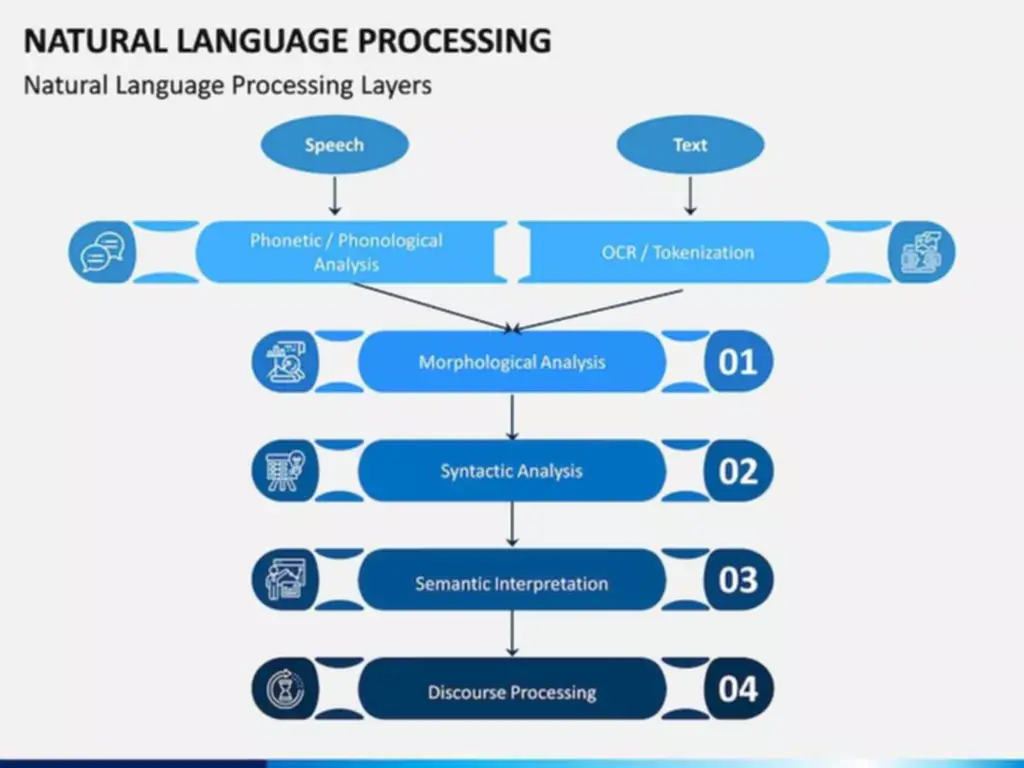
Embedding clever doc processing within a comprehensive Clever Automation platform enables business customers to automate processes end-to-end. When IDP and Intelligent Automation live together within the identical platform, you have the largest pieces of the automation puzzle working in sync, effortlessly. This step involves binarization, noise reduction, de-skewing, and de-speckling. These methods help to improve the standard of the document pictures earlier than they are processed by OCR and AI algorithms.
Intelligent doc processing has wide-reaching advantages across practical areas within enterprises. Some of the functional https://www.globalcloudteam.com/ areas that can benefit essentially the most from IDP include finance, authorized, and HR by automating document-based workflows and improving efficiency. Any operate that deals with massive volumes of paperwork and sophisticated data is an ideal candidate for streamlining processes by way of IDP. Effectively extracting data and structuring data is the gateway to automating the lion’s share of business processes that depend on manual inputs and intervention at present.
Fast extraction and validation of data from claim types, receipts, and medical stories translate into faster claims approval and a streamlined reimbursement process. With IDP, documents are swiftly scanned, interpreted, and categorized, permitting for speedy processing. With AI and ML, IDPs have higher accuracy and velocity, permitting firms to show their attention to extra strategic features. As the IDP market unfolds globally, to find a way to be competitive, streamline operations, enhance customer experiences, and scale back prices and errors, firms should embrace this actually idp acronym technology changing technology. Newgen can help you to streamline your small business processes with the help of IDP.
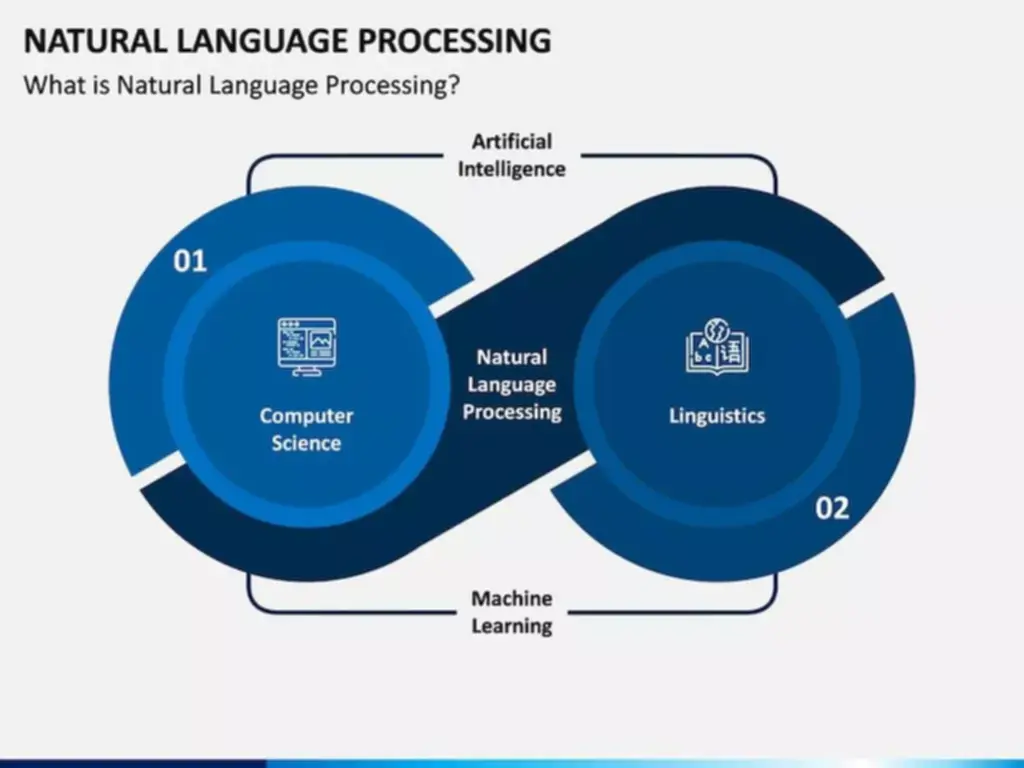
Its machine-learning fashions might continue to improve as they course of extra paperwork, becoming more and more accurate over time. This adaptability makes IDP a super answer for growing enterprises, enabling them to manage document-heavy workflows with out proportional will increase in manpower. IDP builds on OCR by integrating machine studying (ML) and pure language processing (NLP). Whereas OCR can extract text, IDP goes a step further to grasp the context of that textual content, identifying relationships between data factors and classifying sure doc data. Traditional systems like Doc Administration Systems (DMS) and Optical Character Recognition (OCR) have lengthy performed roles in serving to companies retailer and handle large volumes of paperwork. Nonetheless, these earlier methods come with significant limitations, notably in relation to dealing with knowledge and performing complicated duties that require understanding, context, and decision-making.

This pattern is projected to vastly increase the scope of what real-time AI for doc management can do. Traditional DMS systems are usually passive, storing documents while leaving decision-making and workflow processes to the consumer. Any enterprise selections primarily based on the content material of these documents should be made by human staff who manually review the documents, extract needed knowledge, and input cloud computing it into other techniques. In traditional techniques, documents must be manually categorized by customers into folders or listed using metadata (such as tags or keywords).

This automation reduces compliance threat while freeing employees from tedious doc evaluation duties. The most superior methods may even analyze damage pictures, cross-reference them with coverage details, and flag potential fraud indicators. We’ve seen this automation scale back claims processing time from weeks to hours, dramatically improving customer satisfaction at a critical second of fact. This creates an setting where the sheer quantity of paperwork is overwhelming. The average insurance firm processes 1000’s of paperwork every day, each requiring totally different handling protocols, verification processes, and storage requirements.
The high quality of information extracted by IDP techniques may be affected by variations in doc codecs, poor image quality, and unstructured data. Conventional document processing methods are susceptible to human error, leading to inaccuracies and inconsistencies in information. IDP leverages AI and machine learning algorithms to make sure precise knowledge extraction and validation, minimizing errors. Intelligent Doc Processing (IDP) leverages a quantity of key technologies to automate and enhance the doc administration process.
They be taught from historical patterns, getting smarter with every document they process. This means fewer processing delays and fewer documents that end up in digital useless ends. Intelligent document processing layers in natural language understanding, classification, and enterprise logic. Doc content material turns into the information graph for selections that it was meant to be, with out reading pages and pages of narrative and tabular textual content. IDP makes use of NLP and AI-powered algorithms to automatically analyze the content of paperwork and assign them to the proper classes with out human input. For instance, it might possibly acknowledge that a doc is a contract, an bill, or a medical report based mostly on the language and structure used.
Greater Accuracy And Fewer Errors
Automate loan application processes, digitize paper information, and extract knowledge from financial documents such as invoices and bank statements. IDP embedded inside Clever Automation software can embrace preset extraction packages that could be applied instantly to the most common document processing scenarios. The quantity of digital documents only continues to extend; IDP provides a scalable solution to process massive data volumes quickly and accurately. Be Taught the historical past of doc administration in engineering and how AI is evolving engineering document management systems to be extra efficient than ever. Whether Or Not you’re a startup with 50 buyer types per week or a large team dealing with 10,000 invoices a month, IDP use cases scale quick. Instead of hiring more employees to deal with extra paperwork, you can scale the logic and automations.
- He is a trusted advisor and thought chief in his field, guiding market awareness for ABBYY’s applied sciences.
- For example, IDP acknowledges a lease agreement, is conscious of the place the renewal clause is, and could even route it to legal for review.
- It is just a matter of time before these file sorts are within the important path for processing of insurance claims or filing of police incident reports.
- It then uses intelligent document management to manage the data and subsequent choices.
- Integrating IDP techniques with existing IT infrastructure may be complex and time-consuming.
Insurers can extract unprecedented insights from their doc repositories, turning what was once storage overhead into a aggressive intelligence asset. What’s really spectacular is how today’s OCR maintains contextual relationships between knowledge points, processing both structured and semi-structured documents. Artificial intelligence (AI) is reshaping how insurers process, analyze, and manage documents. For unbiased software vendors (ISVs) creating options for the insurance coverage business, this is both a challenge and an opportunity. All this paper pushing consumes priceless resources and creates bottlenecks in customer support. Some platforms offer out-of-the-box workflows for shared docs (invoices, contracts, IDs), while others let you fine-tune brokers or addContent your doc samples for extra particular training.
Limitations Of Idp
These technologies have the facility to automate processes, scale back errors and improve effectivity. It Is necessary to remember that AI-based automation platforms usually are not magic solutions, they are the finish result of careful planning and collaboration between specialists to resolve real-world issues. IDP can be being used to extract insights from unstructured information in lots of paperwork, thereby adding to the strategic worth of business operations. With your prompt programmed in its “mind,” and all your document’s knowledge tidied up, artificial intelligence document processing undergoes document classification. This stage ensures that document information is sorted, categorized, and labeled based on content material and structure. In today’s digital world, organizations still handle monumental quantities of data and documents.
Additionally, IDP offers scalability and automation, making it more appropriate for handling massive volumes of paperwork in numerous industries. Intelligent doc processing (IDP) refers again to the automation of knowledge extraction from unstructured paperwork. It eliminates the necessity for guide knowledge entry, reduces errors, and increases effectivity in doc management.
In a world drowning in documents, clever document processing (IDP) is a lifeboat. Think About releasing yourself and your teams from the frustration of guide information entry (and the human error that always comes with it). This is the promise of IDP—a transformative force for any kind of doc processing work. IDP represents a broader system for automating document processing utilizing AI, OCR, and NLP. NLP is a element of IDP in that it permits for interpretation and understanding of the context of the text for knowledge extraction.